Exploring the Rich Tapestry of Desi Stories: A Journey through Hindi Narratives and Indian Folklore
Every culture is a myriad of stories waiting to be told, a colorful tapestry woven from the threads of history, tradition, and human experience. When we delve deep into desi stories, we uncover a treasure trove of Hindi narratives that pulse with the vibrancy of Indian folklore. These tales are not just appetizers for the mind; they are soul food for the heart. What is it about these cultural tales that makes them so enchanting? Is it the characters that jump off the page, the lessons that linger in our minds, or the magic that weaves through every story?
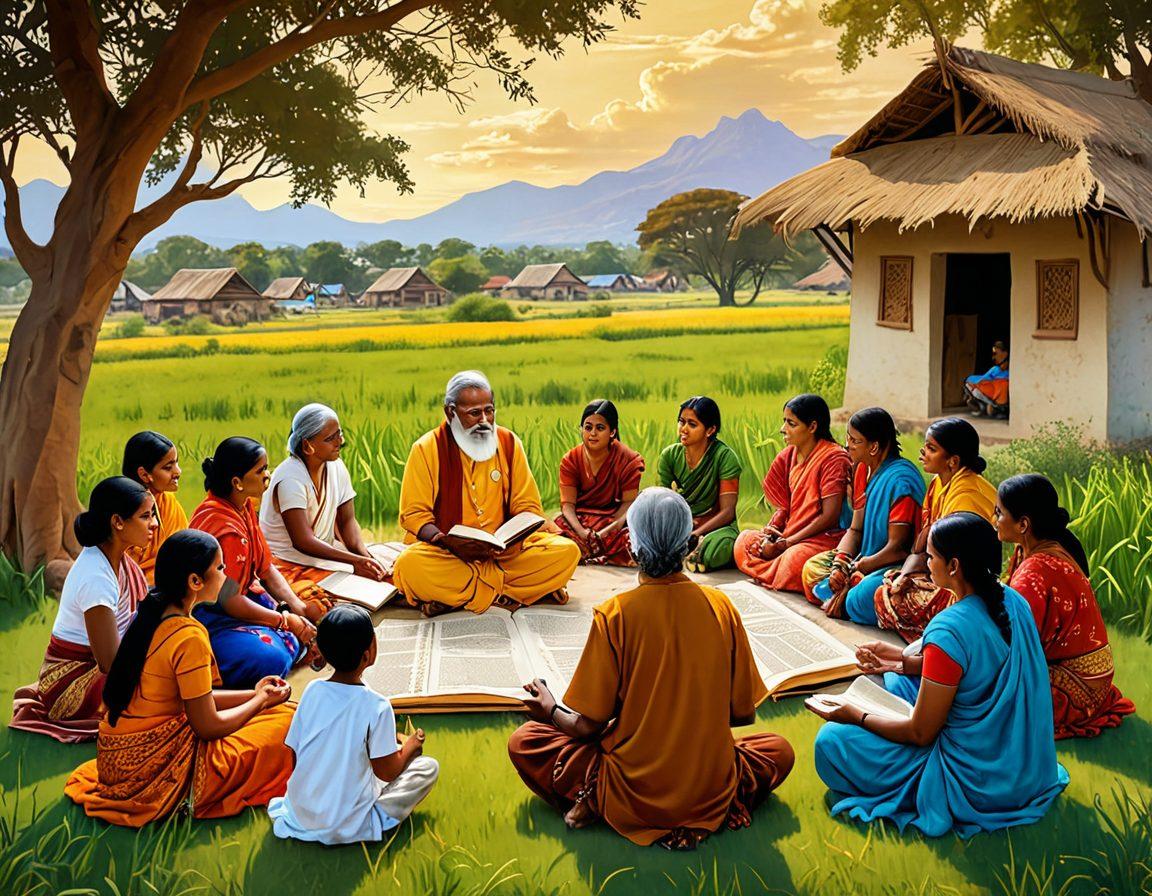
Once upon a time, in the quaint villages of India, grandmothers would huddle with their grandchildren, recounting mesmerizing anecdotes that captured the essence of morality and wisdom. These traditional narratives have traveled through generations, transforming from oral traditions to written forms. Each fable carries the weight of history, serving as a bridge connecting the ancient with the contemporary. Can you recall the last time you were transported to another world by a local legend or a popular tale?
Mythology plays a pivotal role here, serving as a pulsating vein in the heart of Indian folklore. The stories of gods and goddesses ignite our imaginations; they teach resilience in adversity and the triumph of good over evil. Each region boasts its unique interpretations of these ancient tales, and the variations in storytelling enrich our understanding of history and culture. Have you ever noticed how a single story can morph and adapt based on where it is told?
In today's world of short stories and quick consumption, we often forget to pause and appreciate the beauty of ethnic stories that linger in the air like the scent of marigold flowers. From historical stories that recount real events to whimsical fables that teach practical wisdom, the depth and diversity of Indian storytelling are boundless. Every tale tells us something about ourselves, often asking questions we didn’t know we needed to answer. Are we brave like the heroes of our myths? Are we kind, even when faced with adversity?
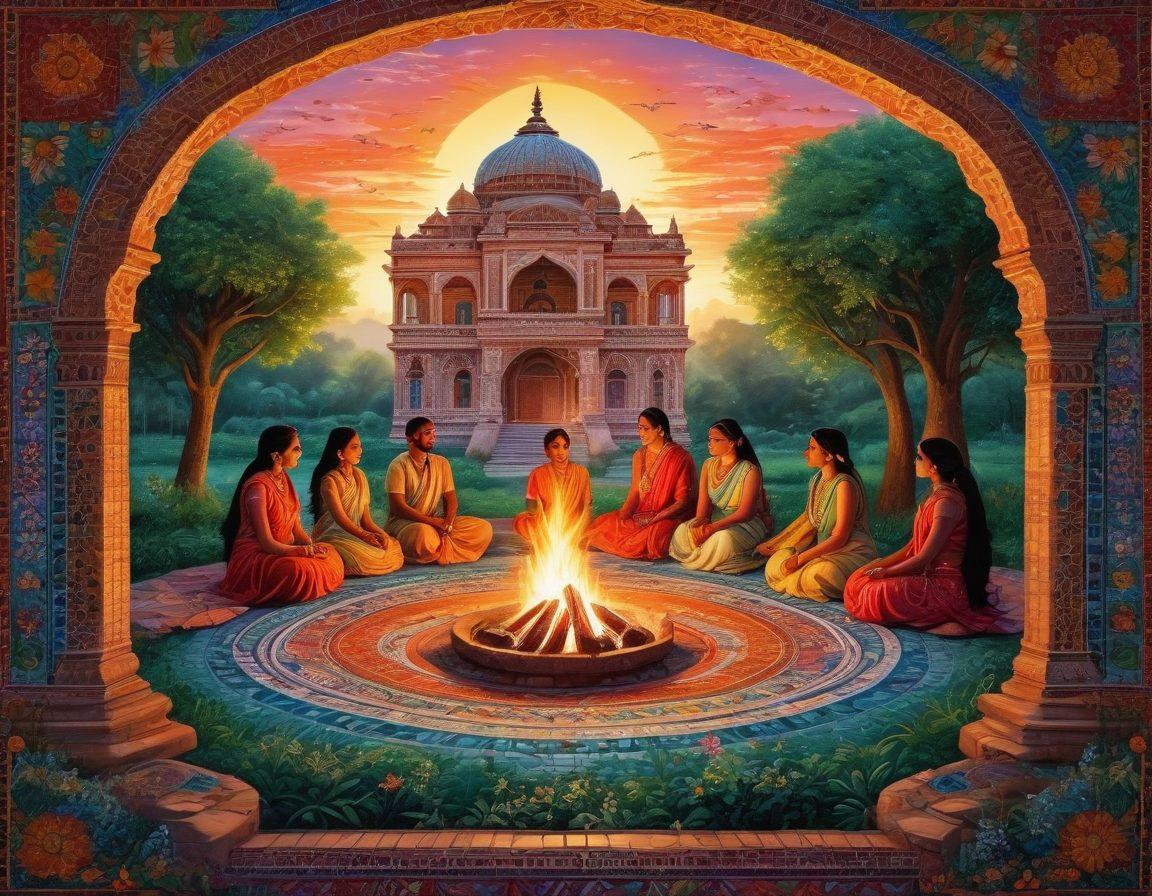
So, whether you're cozying up with a book of traditional narratives or sitting around a fire listening to a friend share their favorite folk tale, remember each time you engage with these stories, you're not just passive; you are an active participant in a timeless tradition. These narratives remind us of who we are, where we come from, and the values we hold dear. What story will you share next to keep this rich tapestry alive?
Bridging Generations: How Traditional Indian Folklore Shapes Contemporary Storytelling
In the heart of India, where the sun kisses the earth with a golden hue, the art of storytelling has thrived through ages. It's like the pulse of a nation, vibrant and alive, connecting generations through the rhythm of desi stories. From childhood bedtimes to festive gatherings, narratives rooted in Hindi and regional folklore have enchanted many, creating a bridge between the past and the present. So, how do these traditional narratives continue to shape modern storytelling? Buckle up, dear reader, as we embark on this fascinating journey through Indian folklore, exploring how these vibrant cultural tales resonate in contemporary times.
Every culture possesses its own unique way of passing down wisdom and entertainment. In India, this transfer of knowledge often comes in the form of oral traditions such as fables, anecdotes, and popular tales. These stories are not just a means of entertainment; they are an exploration of morality, culture, and history. Imagine sitting around with your grandparents, their voices flowing with the narrative, each word painting a vivid picture of local legends and historical stories. What could be more enchanting than listening to the tale of how a clever hero outwits a villain or how the embodiment of virtue triumphs over evil? Such narratives are the lifeblood of Indian folklore, nurturing our souls and shaping our identities.
As we sift through the rich tapestry of Indian mythology, we discover themes that are timeless and universal. The tales of courage, love, betrayal, and redemption offer insights not just into historical stories, but also into the human experience. Today, creators from various mediums—be it cinema, literature, or theater—are resurrecting these ethnic stories, intertwining them with modern sensibilities. Just think about the last movie you watched or the book you read; how many echoes of traditional narratives did you notice? The influence of this reservoir of wisdom—spanning across regions and languages—remains unmatched in its ability to captivate and inspire.
The beauty of traditional Indian folklore lies in its adaptability. As customs evolve, so too do the stories. They morph to fit contemporary settings, themes, and mediums. For instance, popular tales like those of the Panchatantra are now being retold through animated series and graphic novels, introducing younger audiences to the essence of ethical teaching wrapped in entertaining narratives. How fascinating is it that a story rooted in the ancient past resonates with a child swiping through a digital platform? Such storytelling evolution proves that while the medium may change, the core of the message—rooted in wisdom—remains timeless and relevant.
So how can you harness the power of these traditional narratives in your own storytelling endeavors? Whether you are a writer, filmmaker, or simply someone who loves sharing tales, consider infusing your work with elements from Indian folklore. Draw inspiration from historical stories to create relatable characters or blend local legends with modern dilemmas to breathe life into your short stories. Use storytelling as a tool to bridge generational gaps and foster connections. After all, as some might say, "The stories we tell about ourselves shape who we are." So let’s continue feeding our imaginations with these incredible cultural tales, for in them lies the heart of our collective identity.
Diving Deep into Regional Tales: Understanding the Heartbeat of Hindi Literature
Diving into the world of Hindi narratives opens up a treasure trove of desi stories that resonate with every heartbeat of Indian culture. These tales are not merely stories; they are reflections of our heritage, packed with moral lessons, extraordinary characters, and a rich tapestry of folklore that echoes across generations. Imagine walking through bustling bazaars where grandmothers share fables of mythical creatures and local legends that have traveled through oral traditions. Doesn’t that ignite your curiosity to learn more about these traditional narratives?
Regional tales are like windows into the heart and soul of the communities from which they arise. Whether it’s the captivating dynamics of a village captured in a short story or the intricate tapestries of mythology portrayed in popular tales, each story reveals something unique about the people and their experiences. Have you ever pondered how a seemingly simple anecdote can convey profound truths about life, love, and sacrifice? These cultural tales remind us that storytelling is not just an art; it’s an essential way to forge connections across diverse backgrounds.
As we delve into the compelling world of Indian folklore, we find familiar themes connecting seemingly disparate ethnic stories. Stories of bravery, honor, and morality often rise to the forefront, skillfully woven into the narratives of our past. These popular tales not only serve as entertainment but also as essential guides for understanding cultural norms, values, and the shared human experience. Next time you hear a fable, ask yourself: What values is this story conveying, and how are they relevant in today’s world?
One cannot discuss Hindi literature without acknowledging the influence of historical stories that shape the identity of various regions in India. Each place has its own unique blend of myths and legends—tales of gods and goddesses, heroes and heroines, enriched by local flavors and traditions. These narratives breathe life into our cultural psyche, showcasing the resilience and creativity of the human spirit. What if you start a tradition in your family of sharing one local legend every week? It could become a beautiful ritual that strengthens bonds and preserves heritage for future generations.
The true beauty of storytelling lies in its relatability and the actionable insights it imparts. Consider how traditional narratives inspire individuals to tackle personal challenges or encourage communities to come together. This isn't just about reading or listening; it’s about embracing the wisdom embedded in these stories. These regional tales speak to universal themes and compel us to reflect on our own lives. So, the next time you hear a captivating story, take a moment to ask: What lessons can I draw from this tale, and how can I apply them to my life?